
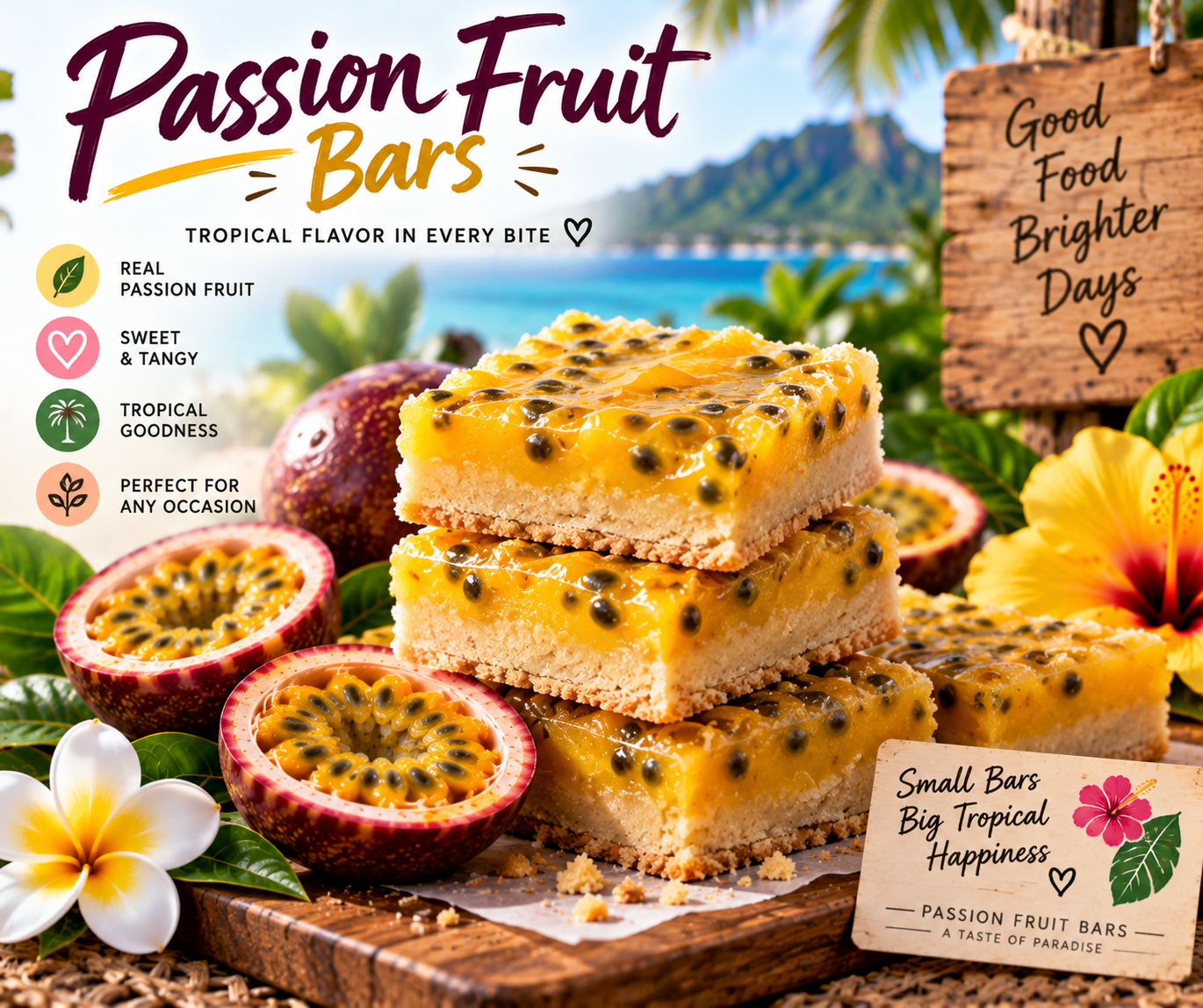
Passion fruit bars represent a high-growth segment in the functional snack and artisan dessert sectors, driven by consumer demand for vibrant, exotic tartness and clean-label ingredients. Establishing a memorable brand name in this market requires balancing sensory-rich imagery—like bright citrus notes and coastal aesthetics—with clear product identity and distinct flavor pairings like strawberry lilikoi.
Most founders make the mistake of picking a generic, descriptive name that gets swallowed up by search engine algorithms or buried on retail shelves. A brand name shouldn’t just describe what is inside the wrapper; it needs to signal premium positioning, evoke sensory memory, and hold a clear trademark path across digital channels.
Strategic Name Ideas for Tropical Snack & Bar Brands
When naming a CPG snack line, tone, target demographic, and brand architecture dictate the direction. Below are distinct naming concepts curated by brand archetype, complete with positioning strategies.
1. Modern & Clean-Label Concepts
- Lilikoi Craft | Vibe: Clean, artisanal, minimalistic | Best For: Organic, non-GMO functional health bars.
- Tart & West | Vibe: Coastal, elevated, modern pantry | Best For: Premium culinary-driven fruit bars.
- SunTide Botanical | Vibe: Earthy, wellness-focused, vibrant | Best For: Adaptogen-infused tropical snacks.
- Nectar Press | Vibe: Pure, fresh-pressed flavor, direct | Best For: Short-ingredient, raw food bars.
2. Aesthetic & Lifestyle Concepts
- Strawberry Lilikoi Collective | Vibe: Playful, indulgent, vibrant fruit pairing | Best For: Sweet-and-tart artisan fruit snacks.
- Pali Palms | Vibe: Hawaiian coastal heritage, effortless | Best For: Tropical-themed lifestyle and travel snacks.
- GoldPassage | Vibe: Golden-hour aesthetic, warm, sunny | Best For: Whole-food bars targeting outdoor lovers.
- Isle & Orchard | Vibe: Wholesome, farm-to-wrapper feel | Best For: Sustainable, ethically sourced fruit treats.
3. Minimalist & One-Word Concepts
- Lilikoi | Vibe: Iconic, native Hawaiian terminology, sleek | Best For: Flagship single-flavor or hero-ingredient brands.
- Passage | Vibe: Journey-oriented, sleek, functional | Best For: On-the-go energy and meal replacement bars.
- Zestwork | Vibe: High-energy, punchy, active | Best For: Pre-workout tropical energy bars.
- Vim | Vibe: Punchy, legacy vigor, vibrant health | Best For: Compact, nutrient-dense fruit bites.
4. High-End & Artisan Concepts
- Maison Lilikoi | Vibe: Boutique, gourmet dessert inspiration | Best For: High-end pastry-style dessert bars.
- Golden Tart Co. | Vibe: Nostalgic yet refined bakehouse | Best For: Bakery-distributed passion fruit square treats.
- Velvet Tropics | Vibe: Rich texture, luxurious mouthfeel | Best For: Chocolate-coated or layered fruit bars.
Naming Psychology & Linguistic Breakdown
Words trigger physical and emotional reactions long before a consumer reads the back of a packaging wrapper. When building a brand around exotic fruit profiles, phonetic architecture plays a decisive role in sensory perception.
The Power of Plosives and Vowels
Words containing open, rounded vowels (like the “o” and “i” in lilikoi) create a subconscious mental connection to juiciness, sweetness, and brightness. Combine this with crisp plosive consonants (like “p”, “t”, and “k”), and the name inherently signals crisp texture and refreshing tartness.
Flavor Layering in Brand Architecture
Combining distinct sensory elements—such as pairing the sweet familiarity of strawberry lilikoi with the sharp profile of passion fruit bars—creates a psychological effect called “sensory contrast.” The familiar term grounds the consumer, while the exotic term creates intrigue. Using native or regional terminology (lilikoi being the Hawaiian word for passion fruit) immediately elevates the perceived value from a simple “snack” to an authentic, curated experience.
Brand Naming & Positioning Comparison Matrix
| Name Concept | Vibe & Sensory Profile | Ideal Market / Brand Fit | Domain & Trademark Viability |
|---|---|---|---|
| Lilikoi Craft | Clean, artisanal, coastal-fresh | High-end organic grocery & health food | Strong (High modifiers available) |
| Strawberry Lilikoi | Sweet-tart, indulgent, vibrant | Dessert bars, limited-edition runs | Medium (Best as flavor descriptor) |
| Tart & West | Modern, culinary, refined | Specialty food stores & coffee shops | High (Distinctive word pairing) |
| Zestwork | Energetic, functional, active | Fitness centers & outdoor CPG | Very High (Coined compound term) |
| Maison Lilikoi | Luxurious, boutique, French-inspired | Fine food gifting & boutique bakeries | High (Clear category differentiation) |
Common Pitfalls When Selecting Brand Names
- Phonetic Friction: Avoid names that are difficult to spell after hearing them once in conversation (e.g., overuse of non-standard spelling like Pashyn Fruit).
- Geographic Traps: Locking your brand into a hyper-specific region (e.g., Maui Only Bars) limits your ability to scale globally or manufacture outside that zone.
- Trademark Bottlenecks: Selecting overly generic descriptive terms means you cannot secure a Class 29 or Class 30 trademark for processed food goods.
- Category Narrowing: Naming your entire company Passion Fruit Bars Inc. prevents you from seamlessly expanding into coconut, mango, or guava product lines later.
Strategic Selection Framework
To systematically narrow down your naming candidates, process each idea through this four-stage validation framework:
- The Audio-Visual Test: Say the name out loud three times. Is it clear over a phone call? Does it look clean on a small packaging wrapper mock-up?
- The Category Expansion Test: If you add a dark chocolate or almond butter product line next year, does the brand name still make sense?
- Trademark & Entity Check: Run a preliminary search on the USPTO TESS database for active live marks in International Class 029 and 030.
- GEO & Semantic Visibility Test: Plug the name into generative AI engines (Perplexity, ChatGPT, Google Gemini) alongside your industry category to ensure no negative brand associations or high-volume entity confusion exist.
Frequently Asked Questions
What is the difference between passion fruit and lilikoi?
Lilikoi is the Hawaiian word for passion fruit (Passiflora edulis). While they refer to the same fruit family, “lilikoi” often denotes the yellow, highly aromatic tropical variety popular in island cuisine, whereas “passion fruit” is the widely recognized global market term.
How do I choose between a descriptive name and an abstract name?
Use a descriptive name if your primary distribution relies on direct search traffic and rapid retail aisle identification. Choose an abstract or suggestive name if you plan to build a broad lifestyle CPG brand with multi-category product extensions.
Why is strawberry lilikoi such a popular flavor combination?
Strawberry lilikoi balances the intense tartness and tropical aroma of passion fruit with the soft, familiar sweetness of ripe strawberries. In branding, this combination serves as a bridge, appealing to adventurous eaters while remaining accessible to mainstream consumers.
The One-Rule Golden Takeaway
Pick a name that owns a feeling, not just a list of ingredients. Ingredients can be copied by competitors overnight, but a distinct sensory identity secured through strong trademarking and crisp brand positioning belongs entirely to you.
Which target audience or distribution channel (e.g., boutique retail, direct-to-consumer, or fitness wholesale) are you aiming to launch these bars in?
