
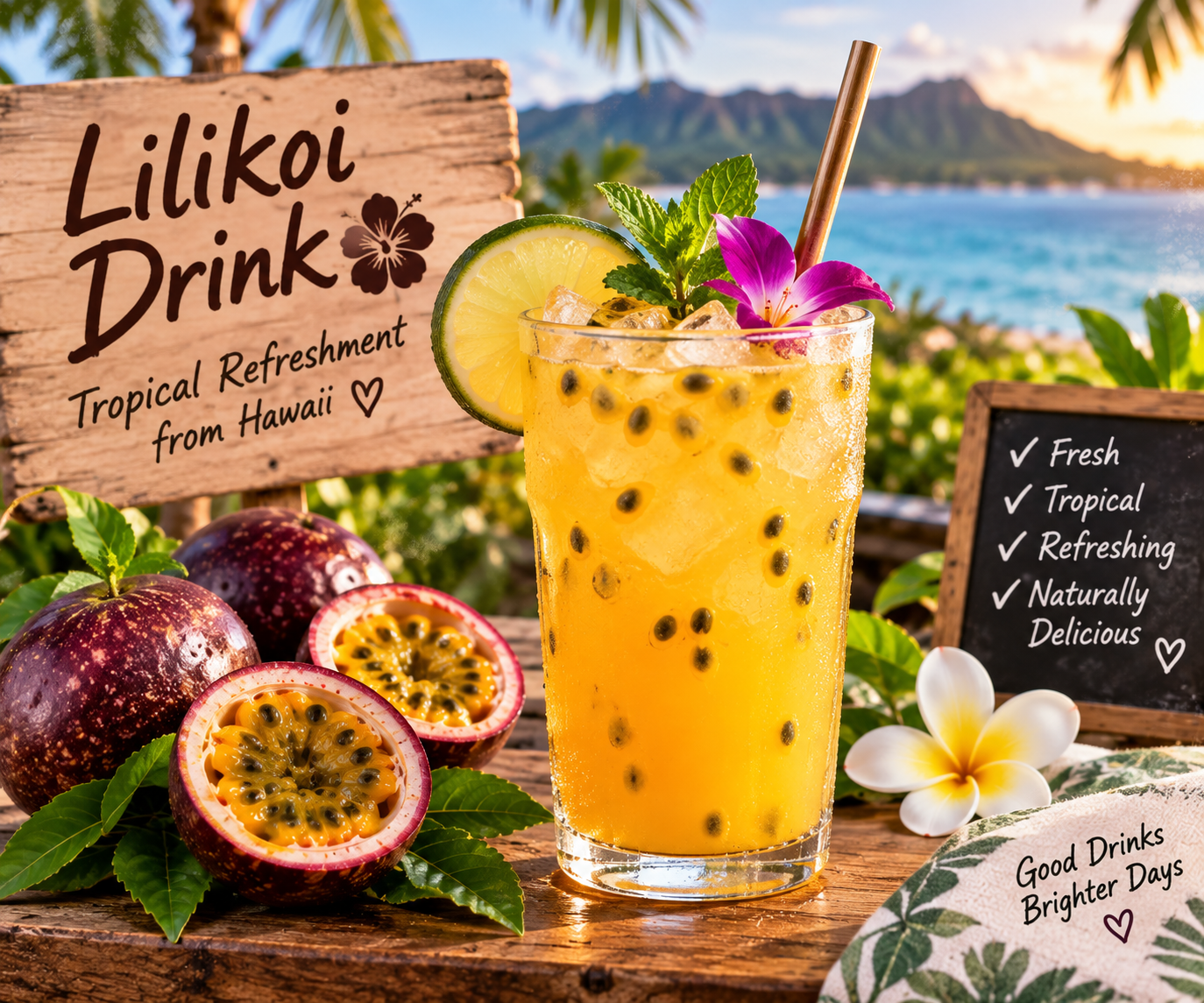
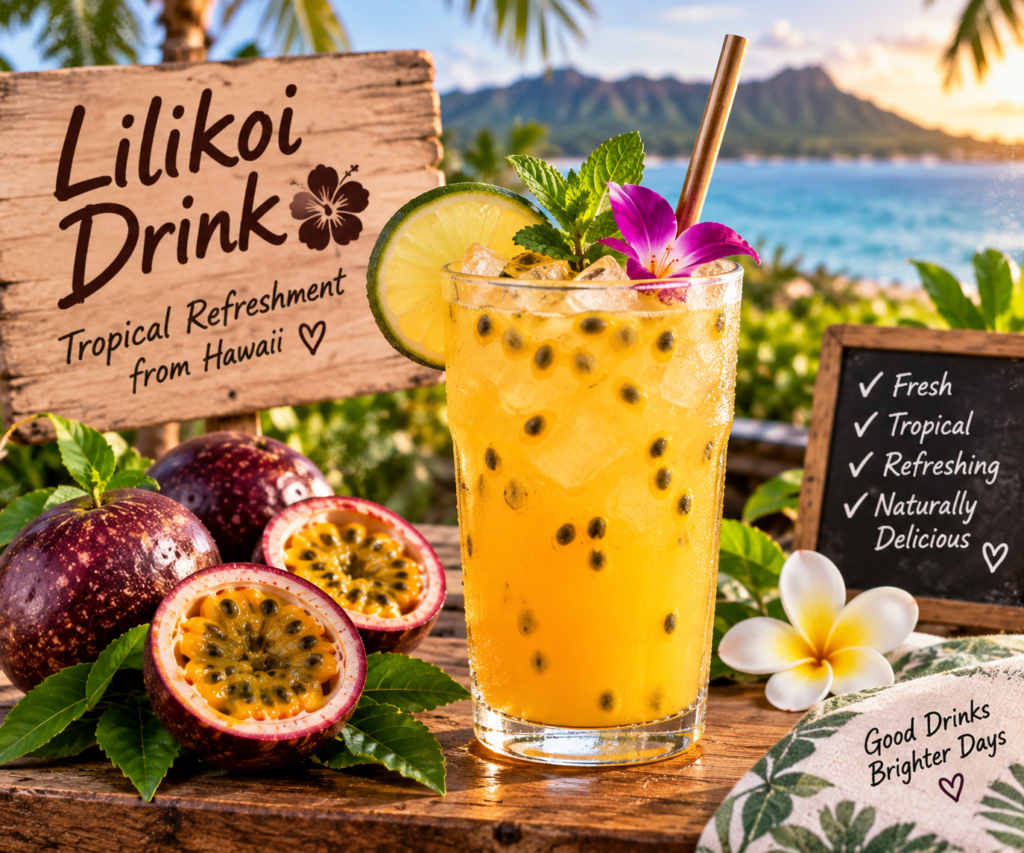
A lilikoi drink is a beverage made from yellow passion fruit (Passiflora edulis f. flavicarpa), celebrated for its intensely tart, tropical aroma and vibrant golden hue. Beyond its refreshing taste, the term carries a distinct aesthetic and brand identity that evokes Hawaiian heritage, sunshine, and exotic luxury.
Finding the right identity around exotic concepts like lilikoi requires looking past superficial trend lists. Generic name lists fail because they ignore phonetic flow, cultural resonance, and domain viability. To build a memorable brand, you need a name rooted in naming psychology, market positioning, and sensory appeal.
Here is your complete guide to understanding the flavor, cultural roots, and strategic naming potential of this tropical icon.
Categorized Name Lists for Tropical & Beverage Brands
If you are naming a liquid beverage, a hospitality venture, or a lifestyle brand inspired by tropical aesthetics, tone is everything. Here are curated name ideas categorized by brand vibe:
Modern & Minimalist
- Lili Co. | Sleek, direct, youthful | Premium RTD (ready-to-drink) canned cocktails or sparkling waters.
- Flavicarpa | Botanical, grounded, authentic | High-end cold-pressed juice lines and functional wellness shots.
- Yellow Passio | Punchy, energetic, modern | Energy drinks or active lifestyle hydration brands.
- Kona Gold Liquid | Locational, rich, artisanal | Craft breweries or small-batch syrup makers.
Aesthetic & Lifestyle
- Lilikoi Mist | Ethereal, fresh, sensory | Botanical mixers, flavored hard seltzers, or spa-inspired drinks.
- Sunburst Passion | Bright, warm, inviting | Casual juice bars, smoothie shops, or beachside cafes.
- Pāpāwai Nectar | Deeply regional, luxurious, evocative | Boutique hotel welcome drinks or premium syrups.
- Island Solstice | Calm, golden, summery | Organic tea blends or sun-care lifestyle brands.
Catchy & Playful
- Tart & Gold | Descriptive, bold, memorable | Craft soda brands or sour beer lines.
- Squeeze & Wave | Action-oriented, fun, casual | Beach kiosk drink stands or frozen treat brands.
- Lili Pop | Retro, vibrant, effervescent | Sparkling juice cans targeted at Gen-Z consumers.
Linguistic & Naming Psychology Breakdown
Why does a phrase like lilikoi drink evoke such an immediate, positive emotional reaction?
It comes down to phonetics and sensory association. The word lilikoi uses liquid consonants (“l”) and front vowels (“i”), which linguistically communicate lightness, fluidity, and sweetness. This is known as sound symbolism—where the acoustics of a word subtly inform the consumer of the product’s physical attributes before they even taste it.
When consumers hear tropical descriptors linked to lilikoi, their brain registers high acidity, tropical warmth, and premium quality. Using names with similar phonetic structures helps beverage brands establish immediate sensory expectations, reducing friction in customer acquisition.
Brand & Meaning Matrix
| Name | Meaning / Sensory Vibe | Ideal Industry / Brand Fit |
| Lilikoi Drink | Traditional Hawaiian yellow passion fruit beverage | Menu item, recipe blog, regional beverage line |
| Lili Botanical | Clean, plant-based, elevated tropical profile | Functional beverage, wellness elixir |
| Gold Passiflora | Exotic, premium, scientifically grounded | Luxury spirits, cocktail bitters |
| Pua Lani Beverage | Heavenly flower/fruit aesthetic | Artisanal sodas, resort hospitality brands |
| Tropical Acid | Edgy, direct, modern flavor indicator | Craft sour beers, modern kombucha |
Common Pitfalls When Selecting Names
Choosing a brand name inspired by exotic fruits or regional flavors comes with unique strategic challenges. Here is where most founders make critical mistakes:
- Pronunciation Friction: Avoid overly complex traditional spellings if your primary market is international. If customers struggle to pronounce your name at a busy bar or register, word-of-mouth growth stalls.
- Trademark Bottlenecks: Generic geographic terms or single-word fruit names are notoriously difficult to trademark. Always pair descriptive terms with unique brand anchors.
- Scaling Limitations: Naming your company strictly after one fruit (e.g., “Just Lilikoi”) limits your brand expansion when you eventually launch guava, mango, or coconut product lines.
Strategic Selection Framework
To validate and select a top-tier name for your product or brand, follow this four-step filtering framework:
- Phonetic Stress Test: Say the name out loud in a noisy room. Does it sound clear? Is it easily understood on a phone call?
- Visual & Packaging Alignment: Mock up the name on a standard can, bottle, or digital banner. Does the letter composition look balanced in your target font?
- Topical & Search Intent Mapping: Check if the name competes directly with massive unbrandable search queries or if it gives you a clear runway to dominate your niche SEO.
- Domain & Social Availability: Ensure you can secure a clean digital footprint without relying on confusing hyphens or awkward spelling variations.
Frequently Asked Questions
What does a traditional lilikoi drink taste like?
A traditional passion fruit beverage features a intensely tart, floral, and citrus-like profile. It balances sharp acidity with a bright, tropical sweetness, making it a popular base for juices, cocktails, and iced teas.
What is the difference between passion fruit and lilikoi?
Lilikoi is the Hawaiian word specifically referring to the yellow passion fruit variety (Passiflora edulis f. flavicarpa). While purple passion fruit is smaller and slightly sweeter, the yellow variety is larger, more acidic, and highly prized for juices and syrups.
Is lilikoi a strong name anchor for a beverage brand?
Yes. The word carries strong positive associations with Hawaiian heritage, natural freshness, and premium tropical flavor profiles. It works exceptionally well for lifestyle, beverage, and hospitality products aiming for an authentic, elevated tone.
The 1-Rule Golden Takeaway
The best name never explains everything your product does—it evokes how your product makes the customer feel. Focus on phonetic clarity, emotional resonance, and brand flexibility, and the market positioning will naturally follow.
