
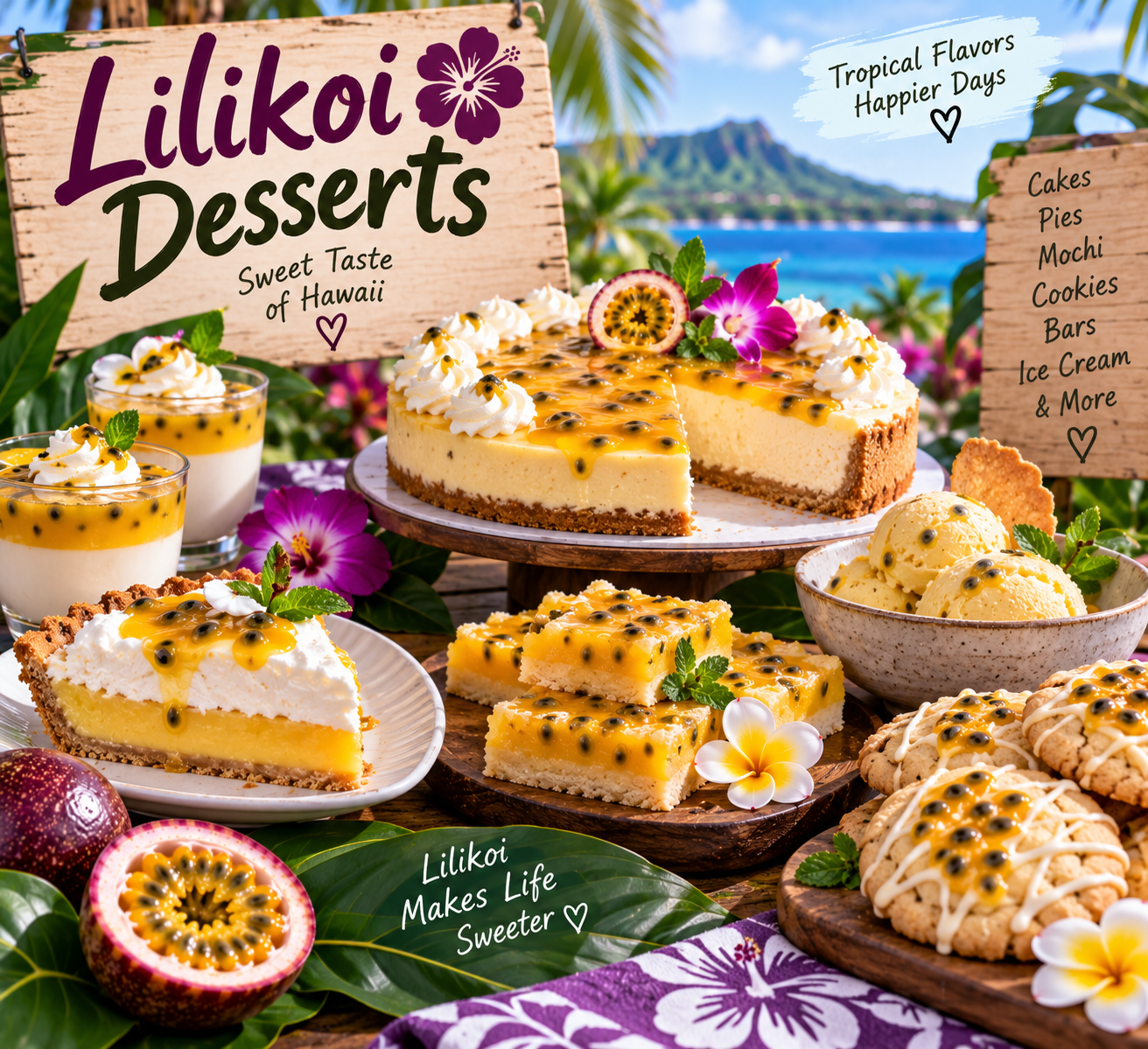
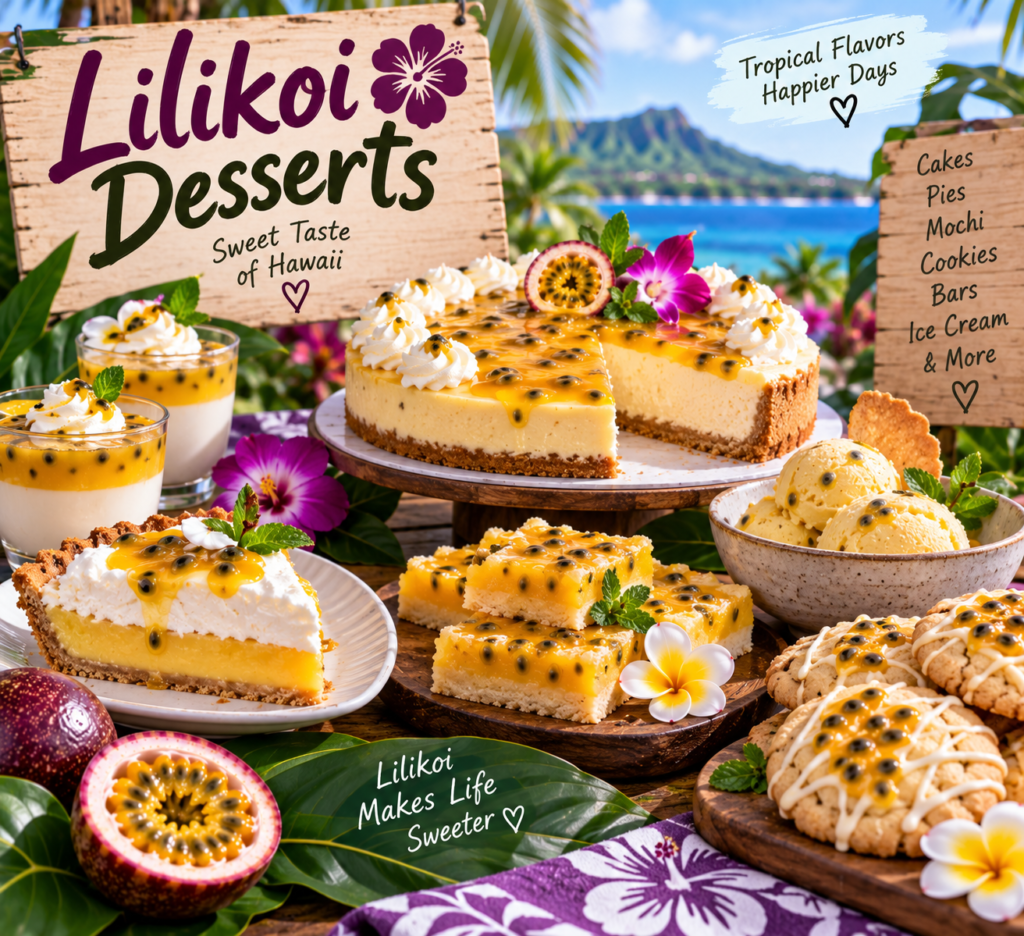
Lilikoi desserts are Hawaiian-inspired sweet treats built around the vibrant, tart flavor of yellow passion fruit. Known for balancing intense tropical acidity with rich, buttery bases, these desserts range from classic passion fruit bars and chiffons to modern gourmet pastries.
Generic dessert recipes often fail because they treat passion fruit like standard citrus, ignoring the delicate balance needed to counteract high acidity. When paired correctly—especially alongside smooth elements like lilikoi coconut syrup—the fruit’s natural aromatics transform ordinary baked goods into restaurant-quality creations. Let’s break down how to master these tropical flavors with no jargon and zero guesswork.
Top Lilikoi Dessert Concepts & Flavor Profiles
Modern & Minimalist
- Lilikoi Coconut Panna Cotta | Silky, tropical, balanced | Best for formal dinner parties and modern plated menus.
- Passion Fruit Mousse Tart | Light, airy, bright | Best for summer showcases and clean bakery displays.
- Lilikoi Glazed Donut | Sweet, tangy, street-style | Best for artisan coffee shops and boutique bakeries.
Aesthetic & Traditional
- Hawaiian Lilikoi Bars | Classic, buttery, bold | Best for casual gatherings, potlucks, and bake sales.
- Lilikoi Chiffon Pie | Cloud-like, delicate, nostalgic | Best for holiday gatherings and traditional island celebrations.
- Passion Fruit Cheesecake | Rich, dense, tart-sweet balance | Best for dessert bars and high-end catering.
Catchy & Indulgent
- Lilikoi Coconut Syrup Drizzled Pancakes | Decadent, rich, breakfast-for-dessert | Best for weekend brunches and specialty breakfast spots.
- Passion Fruit Ice Pop (Paleta) | Refreshing, sharp, ice-cold | Best for outdoor events and quick summer treats.
- Lilikoi Lava Cake | Molten, aromatic, contrasting | Best for upscale restaurant dessert menus.
Linguistic & Naming Psychology Breakdown
Understanding why lilikoi desserts hold such strong consumer appeal comes down to sensory marketing and linguistic psychology. The Hawaiian word lilikoi carries soft, liquid consonants (“l” and “k”) that naturally evoke images of fluidity, freshness, and exotic destinations.
Lilikoi Juice
Coconut / Butter
When building a menu item or product line around passion fruit, balance is the central rule. The sharp sharpness of lilikoi triggers instant salivation, while pairing it with creamy components—such as a rich lilikoi coconut syrup—coats the palate, mitigating harsh acidity and creating a memorable taste profile.
Lilikoi Dessert Comparison & Flavor Matrix
| Dessert Profile | Meaning / Sensory Vibe | Ideal Fit / Service Style |
| Lilikoi Bar | Tart custard over a rich shortbread crust | Bakery display cases and casual catered events |
| Lilikoi Chiffon Pie | Ultra-light meringue foam with a bright passion fruit core | High-end tropical dining and traditional bakeries |
| Lilikoi Coconut Syrup Cake | Deeply soaked sponge with creamy, coconut-passion fruit glaze | Brunch menus and specialty dessert boxes |
| Lilikoi Gelato | Smooth, refreshing, intense tropical bite | Artisanal scoop shops and summer pop-ups |
Common Pitfalls When Crafting Passion Fruit Desserts
Here is where most bakers and food developers get it wrong when working with lilikoi:
- Over-sweetening the Purée: Adding excessive sugar destroys the natural, complex acidity that makes passion fruit unique. Balance tartness with fat (butter, cream, or coconut) rather than raw sugar.
- Thermal Degradation: Boiling lilikoi juice for extended periods dulls its signature bright aroma and turns the vibrant yellow color a muted brown. Always add fresh juice toward the end of heating steps.
- Ignoring Texture Contrast: Pure lilikoi custard can feel heavy without a textural counterpoint. Always pair soft custards with crisp shortbread, toasted coconut flakes, or graham cracker crusts.
- Seeds Overkill: While seeds add an authentic aesthetic, too many create structural friction in smooth custards. Strain 80% of the seeds out and reserve a small portion for garnish.
Strategic Selection Framework for Tropical Menus
To curate or refine your tropical dessert offerings, run your concepts through this four-step validation framework:
- Acidity Audit: Test the base fruit purée. Ensure the inherent tartness cuts through your fat source (cream cheese, butter, or coconut cream) without overwhelming it.
- Aroma Preservation: Smothering tropical fruit in heavy starches kills its bouquet. Use gentle thickening agents like gelatin or egg yolks over heavy cornstarch bases.
- Syrup Integration: Evaluate liquid toppers. Drizzling a concentrated lilikoi coconut syrup over neutral bases (pancakes, waffles, or vanilla ice cream) provides immediate flavor impact with minimal labor.
- Visual Contrast: Ensure the finished dish showcases the iconic bright yellow hue of the fruit, contrasted against white cream or deep golden crusts for maximum visual appeal.
Frequently Asked Questions
What does lilikoi taste like in desserts?
Lilikoi (yellow passion fruit) offers a sweet-tart flavor profile with intense tropical aromatics. It is sharper and more tart than red passion fruit, making it ideal for pairing with rich ingredients like cream cheese, butter, and coconut milk in lilikoi desserts.
Can I substitute regular passion fruit for lilikoi?
Yes. Yellow lilikoi is slightly more acidic than purple or red passion fruit, but they can be used interchangeably in a 1:1 ratio for most baking recipes, custards, and syrups.
How do you use lilikoi coconut syrup?
Lilikoi coconut syrup serves as a versatile dessert sauce. It can be drizzled over pancakes, waffles, and cheesecake, mixed into cocktails, or used as a soak for tropical chiffon cakes to add moisture and flavor.
The One-Rule Golden Takeaway
Respect the natural acidity of the fruit—never mask lilikoi’s sharp tropical edge under mountains of sugar; balance it with rich, velvety fats to let the authentic flavor shine through.
