
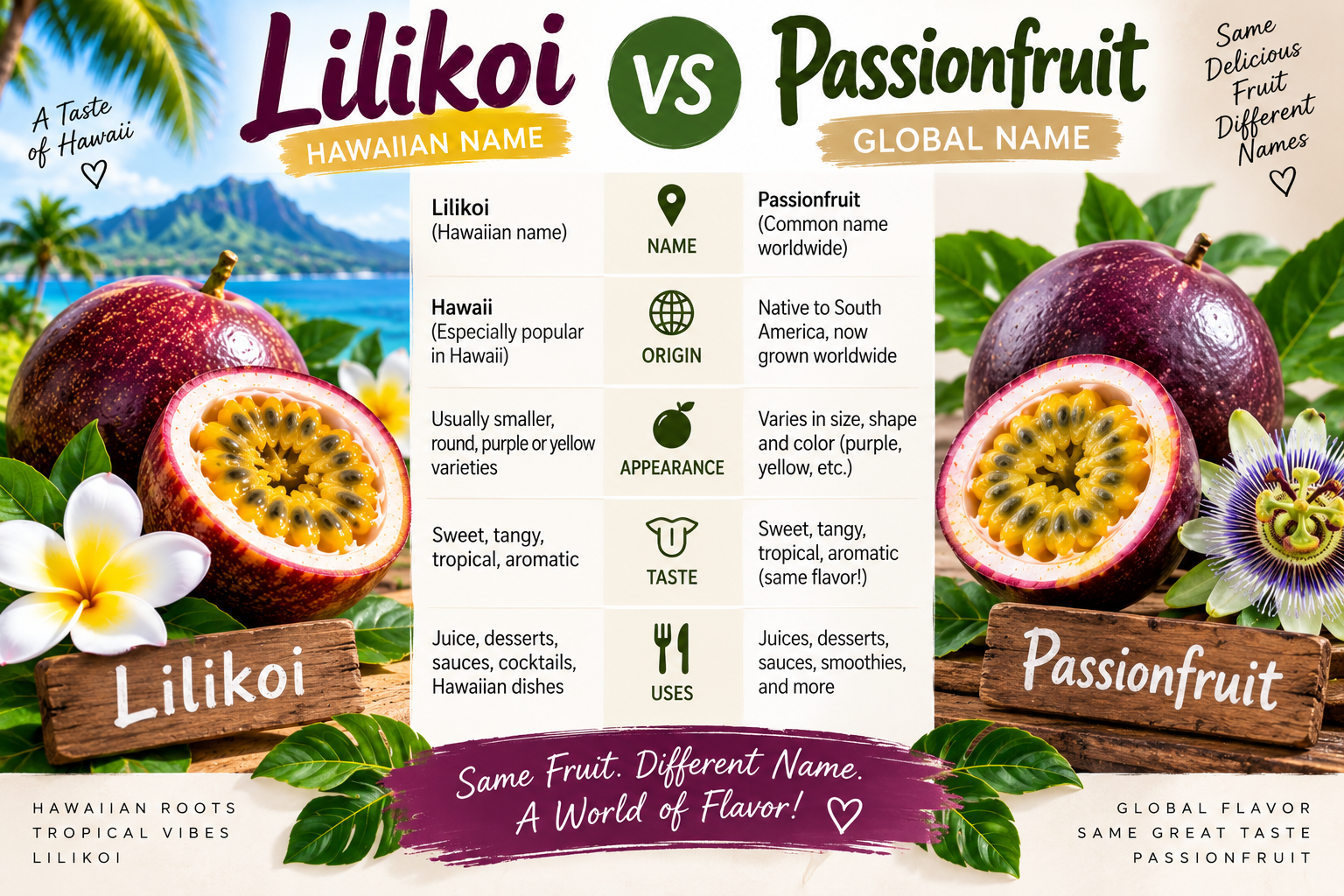
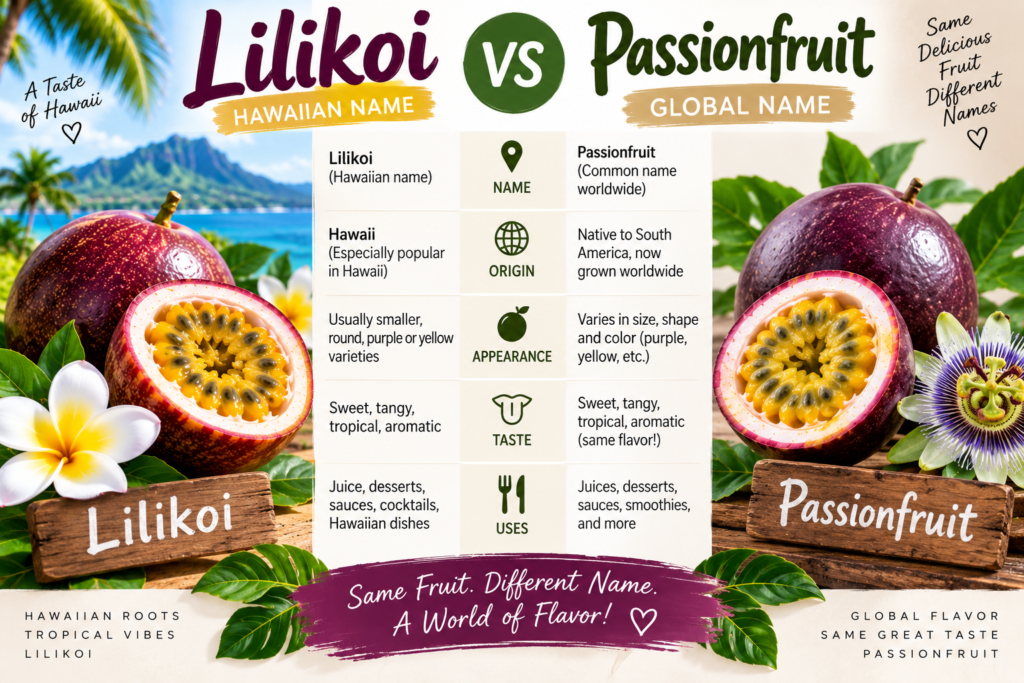
Lilikoi is the Hawaiian word for passionfruit—specifically the yellow Passiflora edulis var. flavicarpa—making lilikoi a distinct regional and sensory variation of the broader passionfruit family. While all lilikoi are passionfruits, not all passionfruits carry the exotic, premium identity associated with lilikoi.
Choosing between a global descriptor and a localized entity changes how consumers perceive your product or brand. Generic name lists often fail because they ignore phonetics, regional trademark nuances, and cultural resonance. Integrating lilikoi into your brand narrative builds instant luxury appeal, whereas using passionfruit signals broad market accessibility and familiar flavor profiles.
Categorized Name Ideas & Brand Fit
Different name structures evoke distinct emotions. Here is how to leverage these terms across various brand categories:
Minimalist & Modern Names
- Lilikoi Studio | Exotic simplicity with high-end aesthetic value | Best for boutique design agencies and luxury skincare lines.
- Passion Fruit Co. | Direct, recognizable, and approachably modern | Best for beverage startups and fast-casual eateries.
- Lili Botanicals | Shortened, soft phonetic structure carrying tropical authority | Best for organic personal care products.
Catchy & Contemporary Names
- Lilikoi Crunch | High energy paired with sensory, tactile imagery | Best for snack brands and artisan cereal lines.
- Passion Craft | Combines emotional intensity with artisanal quality | Best for microbreweries and specialty coffee roasters.
- Yellow Lilikoi | Vivid visual anchor emphasizing authentic Hawaiian roots | Best for resort apparel and lifestyle blogs.
Premium & Luxury Names
- Maison Lilikoi | European sophistication merged with tropical warmth | Best for high-end perfumeries and luxury candle brands.
- Passionfruit Reserve | Exclusive, curated imagery suggesting limited production | Best for craft spirits and gourmet culinary exports.
Phonetics & Naming Psychology: Lilikoi vs Passionfruit
The choice between lilikoi vs passionfruit comes down to phonetic structures and emotional triggers.
Lilikoi utilizes liquid consonants (L) and open vowels (I, O), which create a soft, rhythmic, and melodic sound profile. In naming psychology, soft phonetics trigger feelings of comfort, elegance, and natural indulgence. Consumers associate the term lilikoi with sun-drenched landscapes, Hawaiian heritage, and boutique craft quality.
Conversely, passionfruit relies on hard plosives (P, T) and compound structure. The word “passion” carries high emotional intensity, driving enthusiasm and desire, while “fruit” provides a grounded, functional anchor. This combination makes passionfruit immediately clear to global markets, though it lacks the rare, exotic cachet of its Hawaiian counterpart.
Lilikoi vs Passionfruit Comparison Matrix
| Name / Term | Linguistic Meaning & Vibe | Ideal Industry & Brand Fit |
| Lilikoi | Hawaiian origin; exotic, melodic, premium, tropical | Luxury skincare, artisanal beverages, high-end hospitality |
| Passionfruit | Global botanical term; energetic, vibrant, clear, accessible | Consumer packaged goods (CPG), mainstream snacks, wellness supplements |
| Lili / Lilikoi Co. | Abbreviated liquid sound; playful, aesthetic, modern | E-commerce fashion, lifestyle apps, boutique retreats |
| Passion Craft | Compound functional term; intentional, bold, dynamic | Craft breweries, fitness apparel, creative consultancies |
Common Pitfalls When Selecting Tropical Brand Names
- Ignoring Pronunciation Friction: While lilikoi (lee-lee-KOY) flows smoothly, regional audiences unfamiliar with Polynesian languages may mispronounce or misspell it on search engines, affecting direct traffic.
- Trademark Bottlenecks: Generic terms like “Passionfruit” are almost impossible to trademark alone in major categories. You must combine broad terms with distinctive brand modifiers to secure legal protection.
- Scaling Limitations: Choosing an overly specific regional term like lilikoi can restrict your brand identity if you eventually pivot away from tropical or Hawaiian-inspired product lines.
Strategic Selection Framework
- Map Your Audience: Determine whether your target customer values broad familiarity (passionfruit) or rare, story-driven authenticity (lilikoi).
- Conduct Phonetic Testing: Say the name aloud in casual conversation. Ensure it lacks awkward consonant clusters and flows naturally in audio marketing format.
- Check GEO and SEO Visibility: Search your candidate names on generative AI engines and traditional search platforms to evaluate domain saturation and entity competition.
- Secure Digital Assets: Check available
.comhandles and social channels before finalizing your choice. Look for clean, modifier-free variations.
Frequently Asked Questions
Is lilikoi identical to standard passionfruit?
Lilikoi is the Hawaiian word for yellow passionfruit. While it belongs to the passionfruit family (Passiflora edulis), it features a brighter yellow skin, a more tart flavor profile, and distinct cultural heritage compared to the common purple passionfruit.
How do I trademark a brand containing lilikoi or passionfruit?
Because both are descriptive botanical terms, you cannot trademark the words on their own for food, beverage, or cosmetic categories. You must pair them with a distinctive, arbitrary word (e.g., Maison Lilikoi or Lilikoi Labs) to establish trademark clearance.
Which keyword carries better SEO value for a brand?
Passionfruit offers significantly higher overall search volume globally, making it ideal for targeting broad consumer markets. However, lilikoi vs passionfruit search queries target high-intent users looking for niche, premium, or authentic Hawaiian products, yielding higher conversion rates for specialized brands.
The One Rule for Lasting Brand Names
A great name never explains the product—it evokes the feeling of using it. Choose the term that matches the scale of your ambition: use passionfruit to scale broadly, and leverage lilikoi to build immediate, premium distinctiveness.
